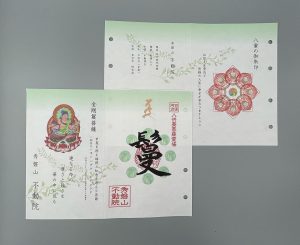
Sect: Omuro School of Shingon Buddhism
Principal Image: Fudō Myōō (Acala Vidyārāja)
Mantra:
Nōmaku Sanmanda Bazara Dan
Senda Makaroshada Sowataya
Untarata Kanman
Founder: Yūga Shōnin
Established: Early Edo period
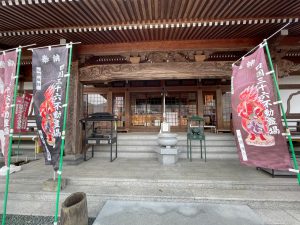
In the early Edo period, Yūga Shōnin, a monk of great virtue, devoted himself to the salvation of all beings through rigorous practice at Takidera Temple in Mino. For the benefit of the residents of the Ōri and Nishi-Ikawa areas, he established a branch place of worship. This marked the beginning of what would become Fudō-in.
In the Meiji era, Ketsugan received, together with its temple name, the principal image of Fudō Myōō that had been enshrined at Kudoyama Fudō-in in Ito District, formerly belonging to Yakushi-ji Temple in Hashimoto City. On February 23, Meiji 30 (1897), the image was transferred to this location, and the temple was formally named Shūbanzan Fudō-in.
The Fudō Myōō enshrined here is revered as a particularly efficacious sacred image. It is said to have been carved by Kakuban Shōnin in the second year of the Daiji era (1127), during the reign of Emperor Sutoku.
Fudō-in serves as Temple No. 6 of the Shikoku Thirty-Six Fudō Sacred Sites.