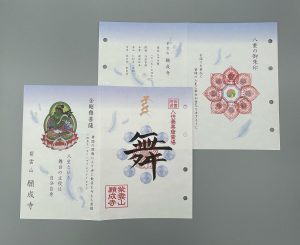
Shiunzan Seson-in Ganjō-ji Temple
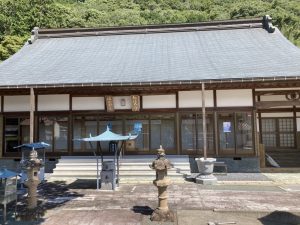
Sect: Omuro School of Shingon Buddhism
Principal Image: Shakyamuni Buddha (Shaka Nyorai)
Mantra: Nōmaku Sanmanda Bodanan Baku
Founder: Gyōki Bosatsu
Established: Tenpyō era (729–749)
Ganjō-ji is said to have been founded by Gyōki Bosatsu, the eminent Buddhist monk of the Nara period.
During the Sengoku period, when the Ōnishi clan ruled the central region of Shikoku and became patrons of the temple, it was temporarily converted to the Zen sect. From this period dates the Seated Wooden Statue of Yakushi Nyorai, believed to have been created as the Ōnishi clan’s guardian image. Inside the statue is an inscription reading “Nantō Shukuin Busshi” (Buddhist sculptor of the Southern Capital). It is considered the work of a sculptor affiliated with Kōfuku-ji in Nara. With only a little more than a dozen known examples, this statue is the only surviving example outside Kyoto and Nara and is designated a Cultural Property of Tokushima Prefecture.
In the Tenshō era of the early Edo period, during the tenure of Soei Sōjō, the temple returned to Shingon Buddhism. He is therefore regarded as the first abbot of its restoration.
In the mid-Edo period, Keidō, the 16th head priest of Ganjō-ji, later ascended to Mount Kōya and attained the highest clerical rank of Hōin. In Bunsei 3 (1820), he received from the Imperial Court garments that had been used as vestments for the wooden statue of Kōbō Daishi enshrined at the mausoleum in Okunoin, Mount Kōya. When these vestments were replaced, they were bestowed upon Ganjō-ji and have since been preserved as treasured temple heirlooms, together with the following items and accompanying documentation:
One set of Kōbō Daishi’s cypress-bark-colored robe
One kesa (Buddhist stole)
One string of prayer beads (juzu)
One folding cypress fan (hiōgi)
One pair of straw sandals (waraji)